
Understanding Surfactants in Your Detergent
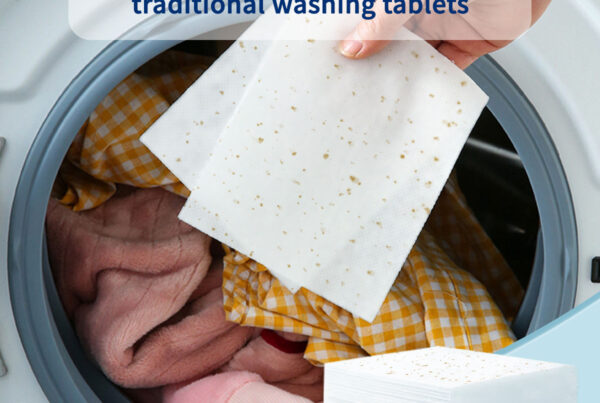
When you toss a laundry sheet into your washing machine, it may look like magic as your clothes come out clean and fresh. But behind that simple action lies some fascinating science—specifically, surfactants. These are the real heroes that make sure stains, grease, and dirt get lifted from your clothes and washed away with the water.
In this blog, we’ll break down what surfactants are, how they work, and why they’re essential in laundry sheets. Don’t worry, we’ll keep it easy to understand—no chemistry degree required.
What Are Surfactants?
The word surfactant comes from surface-active agent. Simply put, surfactants are special molecules that reduce the tension between two things that usually don’t mix well, like oil and water.
Think of surfactants as the bridge-builders of the cleaning world. Normally, water doesn’t like to stick to oil or grease. That’s why when you spill salad dressing on your shirt, plain water won’t wash it off. Surfactants change the rules, allowing water and oil to mix so the stain can be removed.
How Do Surfactants Work?
Each surfactant molecule has two sides:
-
A water-loving head (hydrophilic)
-
An oil-loving tail (hydrophobic)
When you wash clothes:
-
The tail grabs onto the grease, dirt, or oil on your fabric.
-
The head stays in the water.
-
This creates tiny bubbles called micelles, which trap the dirt inside.
-
The trapped dirt and grease get rinsed away, leaving your clothes clean.
It’s like a teamwork dance—one part pulls dirt off the fabric, while the other ensures it gets carried away in the wash.
Types of Surfactants in Detergents
Not all surfactants are the same. In fact, detergents often use a blend of them to handle different types of dirt. Here are the main types you’ll find in laundry sheets:
-
Anionic Surfactants
-
The most common cleaning agents.
-
Great at tackling grease, oil, and particulate dirt.
-
Provide lots of foam (the bubbles you see).
-
-
Nonionic Surfactants
-
Less foamy but very effective at removing oily stains.
-
Work well in both hot and cold water.
-
-
Cationic Surfactants
-
Often used as fabric softeners because they reduce static.
-
More about conditioning than cleaning.
-
-
Amphoteric Surfactants
-
Gentle surfactants used in mild or eco-friendly detergents.
-
Good for sensitive fabrics and skin.
-
Laundry sheets usually use a smart mix of these, balancing cleaning power with safety and gentleness.
Why Surfactants Are Key in Laundry Sheets
Laundry sheets are concentrated, lightweight, and easy to use. They need powerful yet safe cleaning ingredients to make up for their small size. Surfactants are the answer because:
-
They’re highly effective in small amounts.
-
They dissolve quickly in water (even cold water).
-
They reduce the need for heavy liquids or bulky powders.
-
They keep your clothes fresh without leaving residue.
Eco-Friendly Advances in Surfactants
As more people care about sustainability, surfactants are evolving too. Traditional surfactants sometimes come from petroleum sources, which aren’t great for the environment. But newer, bio-based surfactants made from coconut oil, palm oil, or corn are becoming popular.
These natural alternatives are biodegradable, meaning they break down more easily after use, reducing pollution in waterways. Many laundry sheet brands are adopting these greener options to combine cleaning power with eco-friendliness.
Common Myths About Surfactants
-
“More bubbles mean better cleaning.”
Not true! Foam looks satisfying but doesn’t equal cleaning power. Some of the best surfactants clean with very little foam. -
“Surfactants are harsh on skin.”
Some can be, but modern detergents carefully balance them. Laundry sheets often use mild surfactants and skip unnecessary irritants. -
“Natural surfactants don’t work as well.”
Today’s bio-based surfactants are just as effective—and often better for sensitive skin and the planet.
How to Choose the Right Laundry Sheet
When shopping, look for:
-
Plant-based or biodegradable surfactants if you want eco-friendly cleaning.
-
Hypoallergenic formulas if you have sensitive skin.
-
Cold water performance if you prefer energy-saving washes.
Reading the ingredient list can help you see what kind of surfactants are inside.
Final Thoughts
Surfactants may sound like a complicated word, but in reality, they’re the superheroes inside your laundry sheet—working tirelessly to lift dirt, fight stains, and keep clothes looking new. The best part? Modern surfactants are becoming smarter and greener, making cleaning not only easier for you but also safer for the environment.
So the next time you pop a laundry sheet into your washer, remember—it’s more than convenience. It’s science at work.