
The Cost Savings of Cleaningsheets vs. Traditional Detergent
Introduction: Why Laundry Costs More Than You Think
Laundry is a weekly, if not daily, reality for every household. Whether you are a single professional, a busy parent juggling family life, or a college student managing laundry in a dorm, detergent is a non-negotiable purchase. Most of us grab whatever liquid or powder detergent is on sale, assuming that all options are essentially the same.
But in truth, the type of detergent you choose dramatically affects your costs, convenience, and even environmental footprint. Traditional detergents—whether liquid, powder, or pods—come with a series of hidden expenses that most consumers never calculate.
That’s where cleaningsheets come in. These innovative, lightweight detergent sheets are pre-measured, plastic-free, and easy to store. They not only simplify laundry but also deliver long-term financial savings by reducing waste and cutting hidden costs.
In this article, we’ll compare the true costs of traditional detergents with cleaningsheets, highlight the economic and lifestyle benefits, and show why more families are making the switch.
1. The Real Costs of Traditional Detergents
Most people look at the sticker price when buying detergent. A jug of liquid detergent for $15 looks like a deal—but let’s break down the less obvious costs.
1.1 Overpouring and Product Waste
-
With liquids and powders, it’s nearly impossible to measure accurately.
-
Research shows that consumers often use 20–40% more detergent than required, especially when pouring by eye.
-
Over time, this wasted product inflates your actual cost per load.
1.2 Bulky and Expensive Packaging
-
Liquid detergents are sold in heavy plastic jugs, while powders come in cardboard boxes or plastic tubs.
-
The packaging is not free—you are paying for it.
-
Worse, most of this packaging ends up in landfills, contributing to environmental damage.
1.3 Transportation and Storage Costs
-
A standard 3-liter detergent jug can weigh 10 pounds or more.
-
Shipping heavy products costs more, and retailers pass these expenses on to consumers.
-
At home, these bulky containers eat up valuable storage space, especially for city dwellers or students.
1.4 Product Inefficiency
-
Liquids can thicken or separate over time, making them less effective.
-
Powders can clump due to humidity, wasting detergent.
-
Pods are prone to sticking together, breaking, or dissolving prematurely.
👉 All of these hidden factors make traditional detergents less cost-effective than they appear.
2. Why Cleaningsheets Save Money
Cleaningsheets are designed to eliminate waste, cut shipping costs, and maximize efficiency. Let’s examine how they reduce expenses at every stage:
2.1 Pre-Measured, Zero Waste
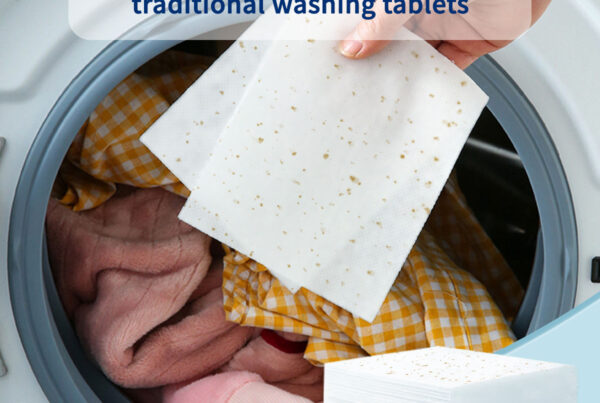
Each sheet is perfectly portioned for one load of laundry. No spills, no guesswork, no overpouring. This means you only pay for exactly what you use.
2.2 Lightweight and Compact
-
A 60-load box of cleaningsheets weighs less than 1 pound.
-
This makes shipping up to 80% cheaper, lowering both environmental and consumer costs.
-
For travelers and students, the compact design means easier portability.
2.3 Reduced Packaging Costs
-
Cleaningsheets come in thin, recyclable cardboard boxes.
-
One small box can replace two or three heavy jugs, reducing plastic waste and cost.
2.4 Longer Shelf Life and Reliability
Unlike liquid detergents that can thicken or powders that clump, cleaningsheets remain stable for long periods. This minimizes waste and ensures consistent performance.
3. Direct Cost Comparison
| Product Type | Loads per Pack | Price | Cost per Load | Real-World Waste Factor | Effective Cost |
|---|---|---|---|---|---|
| Liquid Detergent | 64 loads | $15 | $0.23 | +30% overpouring | $0.29–$0.30 |
| Powder Detergent | 65 loads | $14 | $0.21 | Clumping, spills | $0.25 |
| Pods/Capsules | 60 loads | $18 | $0.30 | Packaging & stuck pods | $0.32–$0.35 |
| Cleaningsheets | 60 loads | $16 | $0.26 | Zero waste, pre-measured | $0.26 |
💡 While the sticker price may look similar, the effective cost per load of cleaningsheets is consistently lower, because you never lose product to waste.
4. Annual Savings Scenarios
4.1 Small Household (2 People)
-
3 loads per week = ~156 loads per year
-
Liquid detergent effective cost: $46
-
Cleaningsheets: $41
-
Savings: $5 per year
4.2 Average Family (4 People)
-
6 loads per week = ~312 loads per year
-
Liquid detergent effective cost: $91
-
Cleaningsheets: $81
-
Savings: $10–15 per year
4.3 Large Family (5+ People)
-
10 loads per week = ~520 loads per year
-
Liquid detergent effective cost: $150+
-
Cleaningsheets: $135
-
Savings: $15–20 per year
Over time, these savings compound, especially when factoring in reduced shipping, less packaging waste, and fewer replacement purchases.
5. Lifestyle and Convenience Savings
Money is important, but the practical lifestyle benefits of cleaningsheets create additional, indirect savings:
-
Space Efficiency: A slim box vs. bulky jugs makes storage simpler.
-
Travel-Friendly: Perfect for vacations, business trips, or college students who do laundry at laundromats.
-
Child-Safe: No risk of spills, slippery floors, or children biting into pods.
-
Eco-Friendly Value: Families who prioritize sustainability save both money and conscience by avoiding plastic packaging.
6. Environmental Impact = Long-Term Economic Savings
Beyond individual savings, switching to cleaningsheets has a larger financial impact at a societal level.
-
Plastic Waste Reduction: If one family replaces 6 detergent jugs per year with cleaningsheets, that’s over 10 pounds of plastic prevented from entering the waste stream.
-
Lower Carbon Emissions: Lighter shipping reduces fuel costs and CO₂ emissions.
-
Reduced Water Use: Liquid detergents are mostly water—shipping water across countries wastes resources.
These hidden “eco-savings” eventually translate into lower costs for communities, governments, and future generations.
7. Extended FAQs: Cost-Saving Questions
Q: Cleaningsheets look slightly more expensive—are they really cheaper?
Yes. Liquids and powders lead to waste through overuse, clumping, or spillage. Cleaningsheets deliver the exact cost per load with no waste.
Q: How do cleaningsheets save on shipping?
They are 80–90% lighter than liquids, reducing both shipping costs and carbon emissions.
Q: Can cleaningsheets replace fabric softener or stain removers?
They work as a detergent replacement. For specific needs, you can add boosters, but for everyday loads, they are sufficient.
Q: Are they effective in cold water?
Yes, most cleaningsheets dissolve fully in cold, warm, or hot water—helping you save additional energy on heating water.
Conclusion: Smart Families Choose Cleaningsheets
At first glance, cleaningsheets and traditional detergents may appear to cost the same. But once you factor in hidden waste, packaging, shipping, and inefficiency, cleaningsheets emerge as the clear cost-saving winner.
For individuals, families, and students, the switch to cleaningsheets means:
-
Lower costs per load
-
Zero wasted detergent
-
More storage space
-
Eco-friendly savings
Over time, this translates into hundreds of dollars in savings and a lighter footprint on the planet.
Switch today, and your laundry routine—and your wallet—will thank you.