The laundry aisle is changing fast in 2026. For decades, big plastic jugs of liquid detergent ruled the market. Then came laundry pods. Now, a new player is taking over: laundry detergent sheets.
Why the big shift? For consumers and businesses, the battle of laundry sheets vs liquid detergent has a clear winner. 🏆
Here is why the market is moving away from heavy liquids and towards lightweight sheets.
The Form Factor: Heavy Jugs vs. Featherlight Sheets ⚖️
The most obvious difference is the physical form.
Liquid Detergent: It is heavy and bulky. It contains mostly water. It comes in large, thick plastic jugs. These jugs take up a lot of shelf space in stores and homes.
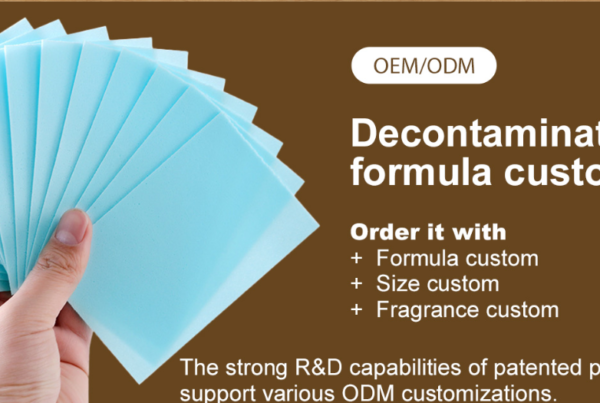
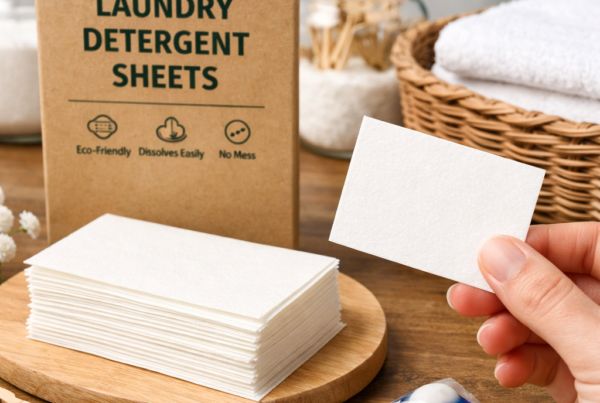
Laundry Sheets: They are completely dry. They look like thin squares of paper. They are ultra-concentrated. They contain no water. They are packaged in slim, flat cardboard boxes.
In 2026, people value space. They prefer a tiny box over a giant jug. 📦
Ultimate Convenience: No Mess, No Measuring ✨
Consumers love simplicity. Liquid detergent is often messy. You have to pour it into a cap. It is easy to spill. The bottle gets sticky.
Laundry pods are easier, but they still have issues. Sometimes they do not dissolve completely.
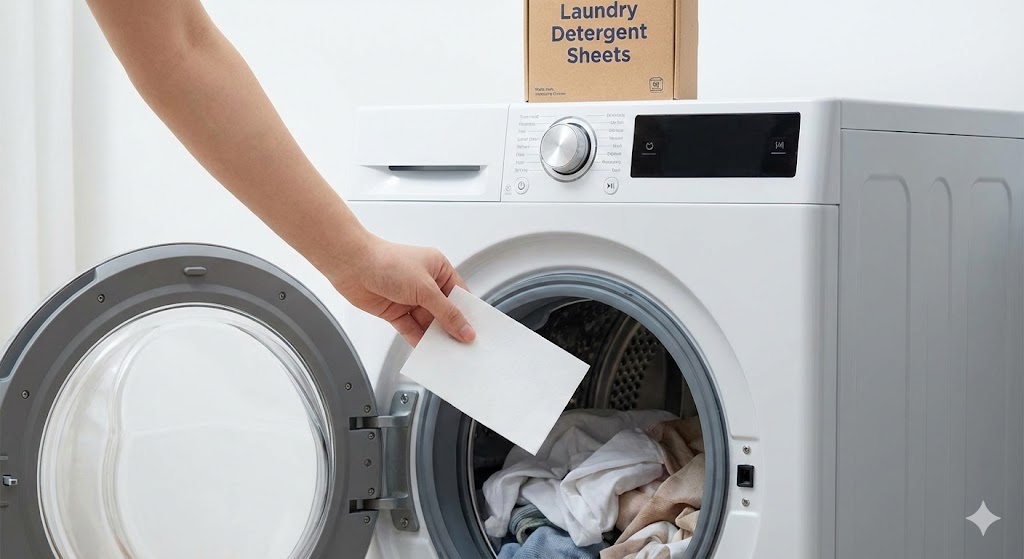
Laundry sheets offer the best convenience. There is absolutely no measuring. You just pull out one sheet. You toss it into the washing machine drum. That is it. It is clean, fast, and precise every time. ⏱️
Shipping Costs: The Huge B2B Advantage 🚚💰
For brands and wholesalers, this is the most critical point in the laundry sheets vs liquid detergent debate.
Shipping water is very expensive. When you ship liquid detergent, you are mostly paying to ship water weight in heavy plastic.
Laundry sheets are incredibly light. You can fit thousands of washes on a single pallet. This dramatically lowers freight costs. It also reduces carbon emissions from transport. For e-commerce brands, the savings on shipping fees are massive. 📉
Changing Consumer Preferences in 2026 🌿
Buyer habits have shifted significantly by 2026.
-
Plastic Fatigue: Consumers are tired of plastic waste. Heavy liquid jugs create enormous amounts of plastic trash. Laundry sheets usually come in recyclable paper packaging. This is a huge selling point for eco-conscious buyers.
-
Minimalism: Modern homes favor tidy spaces. A sleek box of sheets looks better than a cluttered row of plastic bottles.
Conclusion 🏁
The trend is undeniable. The future of laundry is dry, light, and plastic-free. The shift from liquid to sheets is not just a fad; it is the new standard for 2026.
Now is the time for brands to adapt. Switch your product line to laundry sheets to save on costs and meet modern consumer demand. 🚀
https://cleansingsheets.com/