The Innovative Cleaning Power of Laundry Sheets
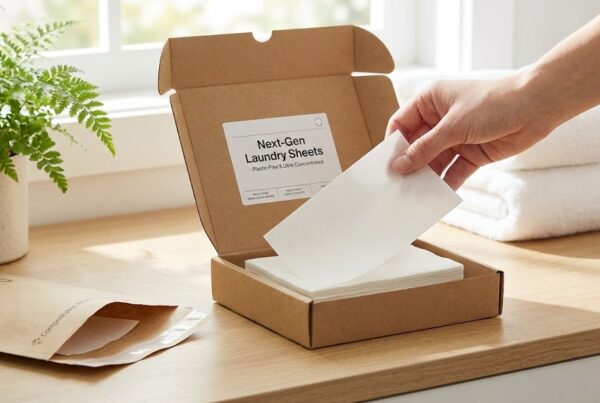
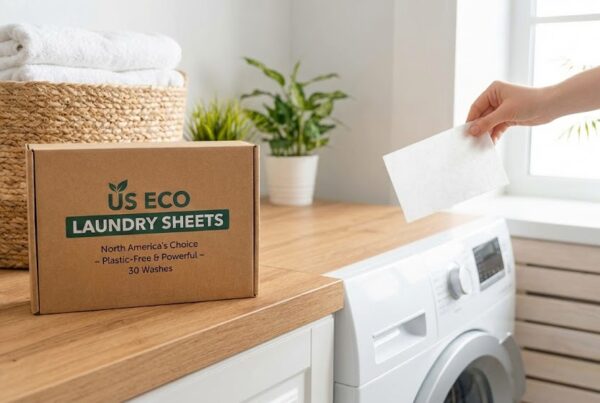
As household cleaning products continue to evolve, laundry sheets have emerged as a convenient, eco-friendly, and highly efficient option. Unlike traditional liquid or powder detergents, laundry sheets feature advanced PVA water-soluble films and high-performance surfactants, making laundry simpler and greener. But how exactly do these sheets achieve such effective cleaning? This article dives into the chemical mechanisms and ingredient release processes behind laundry sheets.
PVA Water-Soluble Film: The Key to Instant Release
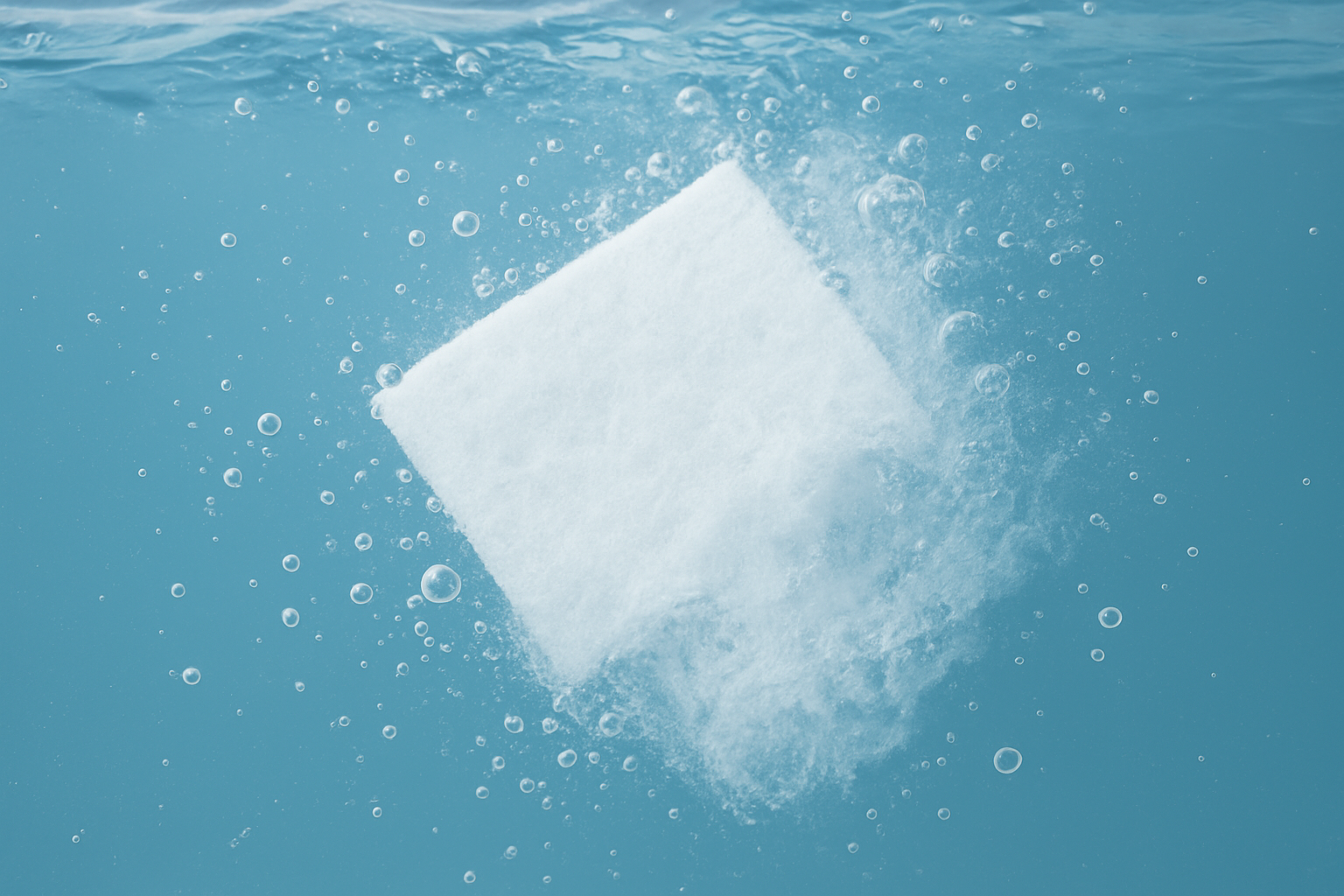
The PVA (polyvinyl alcohol) water-soluble film encasing each laundry sheet is one of its core innovations. PVA is highly soluble in water and quickly dissolves during a wash, releasing the cleaning ingredients inside. Key features include:
-
Rapid Dissolution: The water-soluble film disperses quickly in both cold and warm water, ensuring complete dissolution without residue.
-
Ingredient Protection: When dry, the PVA film safeguards surfactants, enzymes, and fragrances, extending product shelf life.
-
Precise Dosage: Each sheet contains a fixed amount of cleaning agents, preventing overdosing and minimizing chemical residue on clothes.
Surfactants: The Core Cleaning Agents
Inside the laundry sheet, surfactants play a crucial role in breaking down stains. Surfactants lower water’s surface tension, allowing water to penetrate fabric fibers more effectively. They remove stains through:
-
Emulsification: Surfactants encapsulate oil-based stains, forming tiny droplets that mix with water for easy removal.
-
Dispersion: They disperse solid or particulate stains in the water, preventing them from re-depositing on clothing.
-
Lifting Action: Surfactants detach stains from fabric fibers, restoring clothes to their clean state.
Combined with the rapid release enabled by the PVA film, laundry sheets achieve quick and efficient cleaning.
Enzymes and Specialized Cleaning Agents: Targeting Tough Stains
Many laundry sheets also include enzymes such as proteases, lipases, and amylases, designed to break down specific stains:
-
Proteases tackle protein-based stains like sweat or food.
-
Lipases break down oily or greasy stains.
-
Amylases target starch-based residues.
These enzymes are released once the water-soluble film dissolves, working precisely on various stain types to boost cleaning performance. Some sheets also contain optical brighteners and fragrances, enhancing the appearance and freshness of clothes.
Convenience and Eco-Friendly Advantages
-
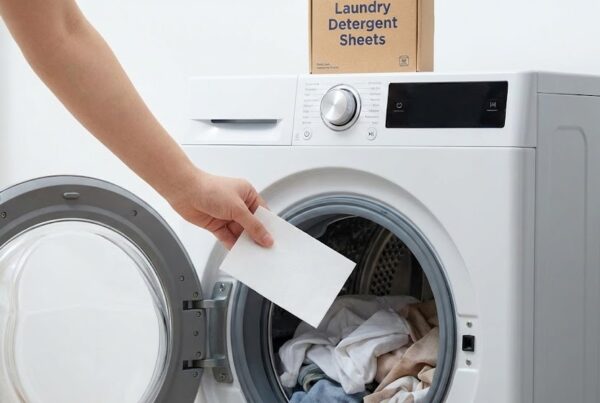
Easy to Use: No need to measure liquids or powders—just toss a sheet into the washing machine.
-
Controlled Dosage: Each sheet delivers the exact amount of detergent, reducing chemical waste.
-
Eco-Conscious Design: PVA films are biodegradable, and compact sheets reduce packaging and transportation carbon footprint.
Summary: Science Behind Efficient Cleaning
The high cleaning efficiency of laundry sheets comes from smart design: the PVA water-soluble film ensures quick ingredient release, while surfactants and enzymes emulsify, disperse, and break down stains. Understanding these mechanisms helps users appreciate the convenience, efficiency, and eco-friendliness of modern laundry sheets.