
Laundry Sheet Brand Customization Guide: From Formula to Packaging, All in One Step
With the rising popularity of eco-friendly and convenient laundry solutions, customized laundry sheets offer brands a competitive edge in the market. This guide explores the complete process of brand customization, from formulation to packaging, ensuring a seamless product launch.
1. Customizing the Formula
The foundation of any successful laundry sheet brand is its unique formula. Key factors to consider include:
- Cleaning Performance: Adjusting the concentration of surfactants, enzymes, and active ingredients to enhance stain removal and fabric care.
- Solubility Optimization: Ensuring quick and residue-free dissolution in both cold and hot water conditions.
- Eco-Friendly Ingredients: Using biodegradable and plant-based components to appeal to environmentally conscious consumers.
- Fragrance Selection: Offering a range of natural or hypoallergenic scents to suit diverse customer preferences.
2. Choosing the Right Manufacturing Partner
For efficient production and market entry, partnering with an experienced OEM/ODM manufacturer is essential. Consider the following when selecting a supplier:
- Production Capacity: Ability to handle bulk orders while maintaining consistent quality.
- Regulatory Compliance: Meeting industry standards such as EPA, EU Ecolabel, or other environmental certifications.
- Flexibility in Customization: Options for varying sheet sizes, concentrations, and additional functional ingredients.
3. Designing Packaging for Market Appeal
Attractive and sustainable packaging plays a crucial role in branding. Important elements include:
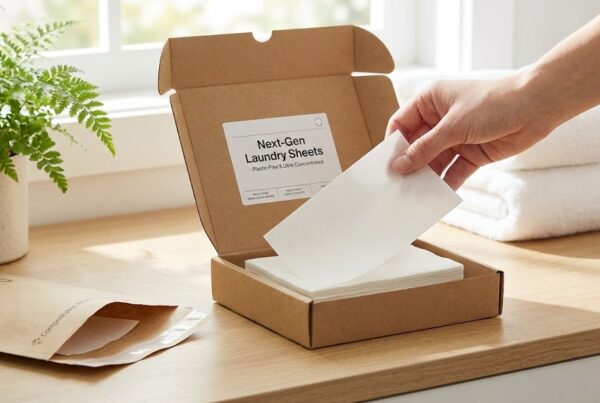
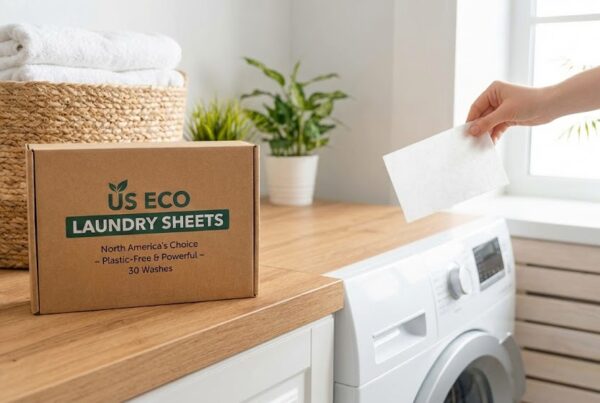
- Material Selection: Choosing plastic-free, compostable, or recyclable packaging to align with sustainability goals.
- Brand Identity and Aesthetics: Creating an eye-catching design with customized logos, colors, and messaging.
- User-Friendly Design: Ensuring ease of use with resealable, moisture-proof packaging for long-term storage.
4. Market Positioning and Distribution
Once the product is ready, a well-defined marketing and distribution strategy ensures successful market penetration. Steps include:
- Target Audience Analysis: Identifying key consumer segments such as eco-conscious households, travelers, or premium detergent users.
- Sales Channels: Exploring online platforms, supermarkets, specialty stores, and subscription-based models.
- Marketing Strategy: Leveraging influencer marketing, social media campaigns, and sustainability-driven storytelling to attract buyers.
Conclusion
A well-executed laundry sheet brand requires careful planning from formulation to packaging. By partnering with the right manufacturer and focusing on eco-friendly, high-performance solutions, brands can establish a strong presence in the growing laundry sheet market.