Plastic-Free Laundry Detergent Sheets: Why More Brands Are Choosing Paper Packaging
As sustainability becomes a core purchasing factor, packaging is no longer just about appearance—it’s about responsibility. In the laundry care industry, plastic-free laundry detergent sheets packaged in paper-based materials are rapidly becoming the new standard.
From recyclable paper boxes to biodegradable pouches and FSC-certified recycled paper, brands are actively moving away from plastic packaging. But why is this shift happening so fast, and what environmental value does it truly bring? This article explores why paper packaging for laundry sheets is gaining momentum and how it supports a low-waste future.
The Growing Problem with Plastic Packaging
Traditional laundry detergents are typically packaged in:
-
Plastic bottles
-
Multi-layer plastic pouches
-
Composite materials that are difficult to recycle
Globally, plastic packaging waste remains one of the most persistent environmental challenges. Even recyclable plastics often end up in landfills or oceans due to contamination, lack of recycling infrastructure, or low recycling rates.
As consumers become more aware of plastic pollution, they increasingly seek plastic-free alternatives, especially for everyday household products like laundry detergent.
Why Laundry Detergent Sheets Enable Plastic-Free Packaging
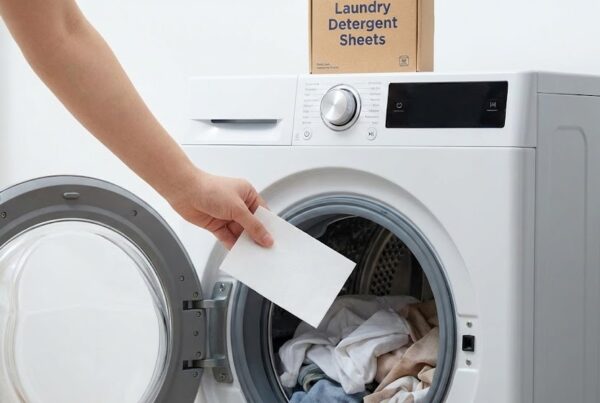
Laundry detergent sheets are uniquely suited for paper-based packaging, unlike liquids or gels. Their solid, lightweight, and concentrated nature allows brands to eliminate plastic entirely without compromising product safety.
Key advantages include:
-
No risk of leakage
-
No need for rigid containers
-
Excellent stability in dry packaging
-
Compact size for minimal material use
This makes detergent sheets a natural fit for zero plastic packaging solutions.
Common Plastic-Free Packaging Options in the Laundry Sheet Industry
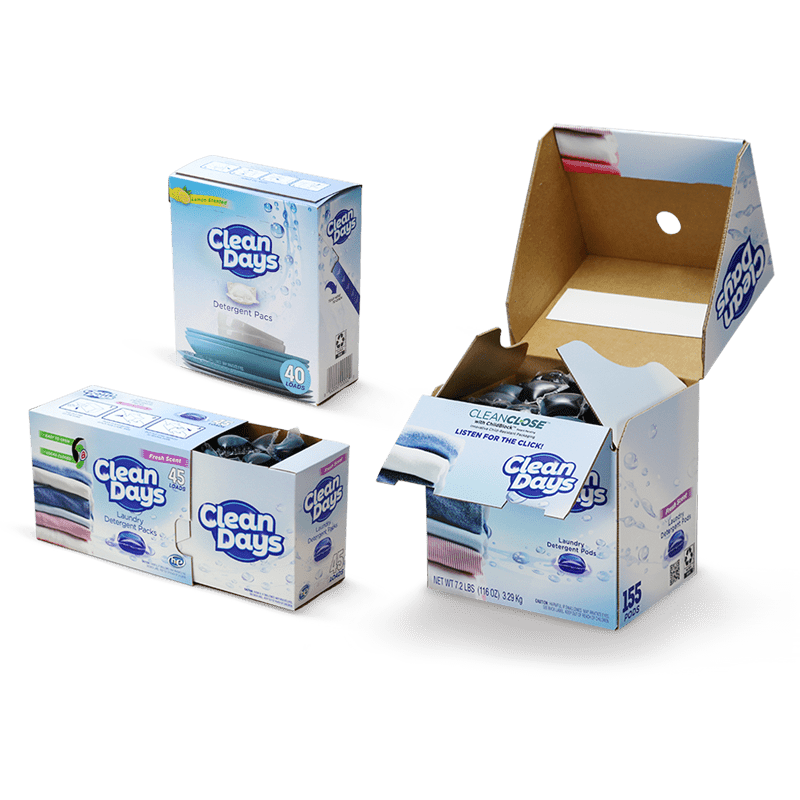
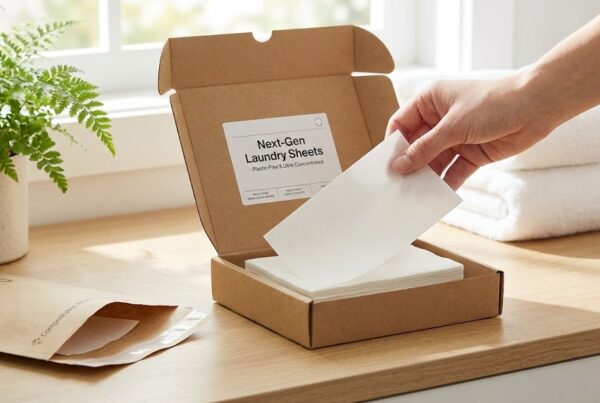
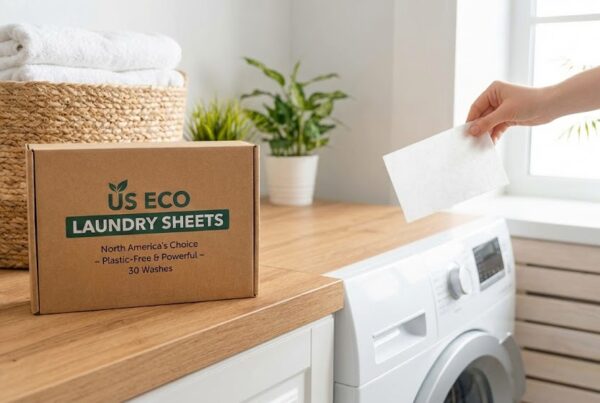
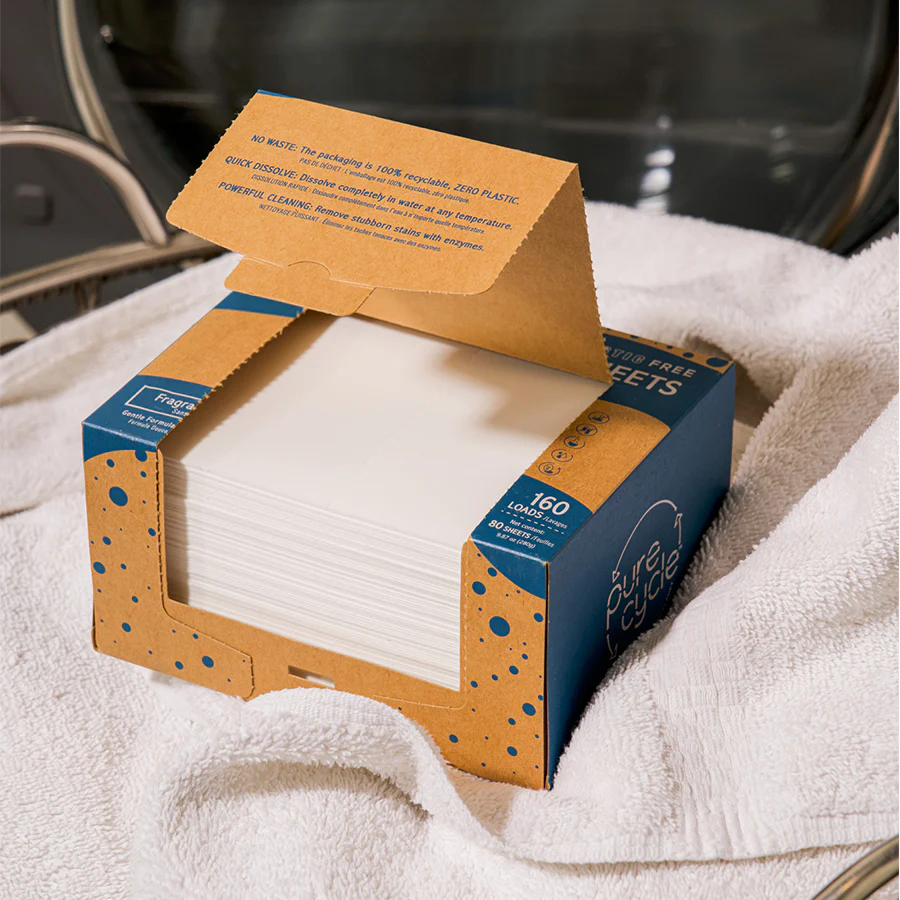
1. Recyclable Paper Boxes
Paperboard boxes are the most widely adopted option. They are:
-
Fully recyclable
-
Easy to stack and ship
-
Customizable for branding
-
Compatible with soy-based or water-based inks
Many brands use FSC-certified paper boxes, ensuring the paper comes from responsibly managed forests.
2. Biodegradable Paper Pouches
For a more flexible format, kraft paper pouches with biodegradable linings are increasingly popular. These reduce material usage while maintaining moisture protection.
3. Recycled Paper Materials
Using post-consumer recycled paper further reduces environmental impact by lowering demand for virgin raw materials and reducing overall carbon footprint.
Environmental Benefits of Plastic-Free Packaging
Switching to plastic-free laundry sheet packaging offers measurable environmental value:
Reduced Plastic Waste
Eliminating plastic bottles and pouches directly reduces long-term pollution and microplastic formation.
Lower Carbon Footprint
Paper packaging is lighter and more compact, which reduces emissions during transportation and storage.
Improved Recycling Rates
Paper is one of the most widely recycled materials globally, with significantly higher recycling participation than plastic.
Alignment with Circular Economy Principles
Recyclable and biodegradable materials support a closed-loop system where resources are reused rather than discarded.
Why Consumers Prefer Paper Packaging
Modern consumers don’t just buy products—they buy values. Research consistently shows that shoppers associate paper packaging with:
-
Sustainability
-
Transparency
-
Premium, minimalist design
-
Environmental responsibility
For eco-conscious households, plastic-free packaging reinforces trust and brand credibility.
Paper Packaging as a Brand Differentiator
For emerging and established laundry brands alike, plastic-free packaging offers strong marketing advantages:
-
Clear sustainability storytelling
-
Easy compliance with retailer eco-standards
-
Strong appeal in DTC and subscription models
-
Better fit for clean-label and zero-waste positioning
Brands using paper packaging often enjoy higher perceived value and stronger emotional connection with environmentally aware customers.
Compliance and Global Market Advantages
Many regions are tightening regulations around plastic usage and packaging waste. Paper-based packaging helps brands:
-
Prepare for future plastic reduction policies
-
Meet retailer sustainability requirements
-
Simplify compliance documentation
-
Expand into eco-regulated markets (EU, UK, North America)
This makes plastic-free laundry sheets not only an environmental choice but also a strategic one.
The Future of Laundry Packaging: Less Plastic, More Purpose
As sustainability shifts from trend to expectation, plastic-free packaging will continue to shape the laundry care industry. Laundry detergent sheets packaged in recyclable paper boxes or biodegradable materials represent a practical, scalable solution that benefits brands, consumers, and the planet.
For companies seeking to lead in eco-friendly innovation, choosing paper packaging is no longer optional—it’s essential.
Conclusion
The rise of plastic-free laundry detergent sheets highlights how thoughtful packaging can significantly reduce environmental impact. By adopting paper boxes, biodegradable pouches, and recycled materials, brands are cutting plastic waste while delivering a product that aligns with modern sustainability values.
Paper packaging is not just a design choice—it’s a commitment to a cleaner, more responsible future.