Multipurpose Cleaning sheets: The More Eco-Friendly Choice
As environmental awareness continues to rise, consumers are increasingly looking for products that minimize their ecological footprint. Traditional cleaning liquids often come in plastic bottles, contain large amounts of water, and use harmful chemicals. However, newer, more sustainable alternatives—such as multipurpose cleaning sheets—are gaining popularity. But how does a cleaning tablet compare to traditional liquid cleaners when it comes to environmental impact? This article will highlight the many ways in which multipurpose cleaning tablets are a more eco-friendly choice.
1. Reduced Packaging Waste
Traditional liquid cleaners are typically packaged in plastic bottles, which can be bulky and often contain more water than active ingredients. This means that consumers are essentially paying for the transportation of water rather than the cleaning solution itself. Additionally, once used, these plastic bottles are discarded, contributing to the growing issue of plastic waste.
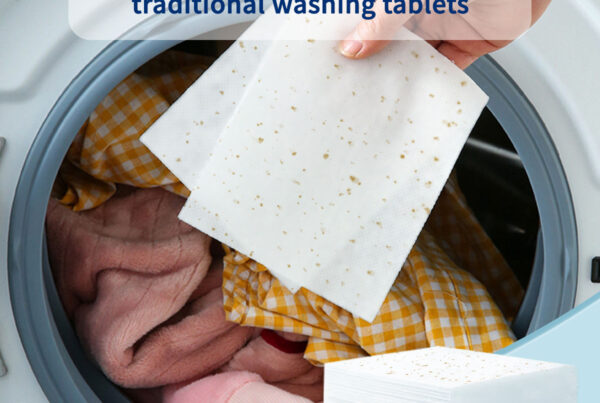
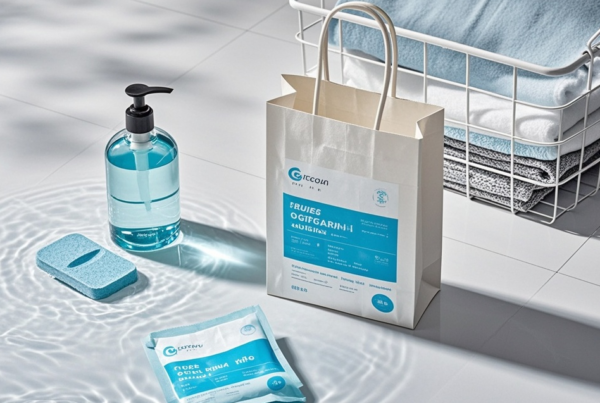
Multipurpose cleaning sheets, on the other hand, are typically sold in compact, lightweight packaging that is often made from recyclable or biodegradable materials, such as paper or foil pouches. Since the tablets themselves are solid and water-free, the need for large plastic bottles is eliminated. This results in less plastic waste and a reduced environmental footprint. Moreover, by shipping a concentrated form of cleaner, transportation becomes more efficient, reducing fuel consumption and CO2 emissions.
2. Lower Carbon Footprint During Transport
Liquid cleaning products are heavy and take up a lot of space in transportation, requiring more energy and fuel to move them from factories to retailers. In contrast, cleaning tablets are much lighter and more compact, meaning less fuel is required to transport the same number of cleaning products. This reduction in transport-related carbon emissions is significant, especially in a world that is focused on reducing greenhouse gas emissions.
By shifting to cleaning tablets, the environmental cost of transporting cleaning products is significantly reduced, making them a more sustainable option from both a manufacturing and distribution perspective.
3. Resource Conservation and Reduced Waste
Traditional cleaning liquids often contain a large amount of water, which is a valuable resource. Every time consumers purchase liquid cleaners, a significant portion of the product is water—water that is sourced from finite supplies. This not only wastes water but also contributes to the inefficiency of using water-based products.
Multipurpose cleaning sheets, on the other hand, do not contain water. Consumers only need to add water themselves, reducing unnecessary water use in the product’s production, packaging, and transportation. This “concentrated” model minimizes water waste and encourages resource conservation—two key principles of environmental sustainability.
Furthermore, because the tablets are solid, the manufacturing process involves fewer resources compared to producing liquid cleaners, which require additional energy and materials for packaging and transporting water-based products.
4. Customizable Cleaning Solutions
Many multipurpose cleaning sheets offer the flexibility to adjust the concentration of the cleaning solution. Depending on the cleaning task, users can add more or less water to create a solution that suits their needs—whether for cleaning countertops, bathrooms, or floors. This customizability helps reduce waste by ensuring that only the necessary amount of cleaning solution is used, unlike pre-diluted liquid cleaners that may come in excess.
Additionally, some cleaning tablet brands use natural ingredients and avoid harmful chemicals, making them an even more sustainable choice. The use of eco-friendly, biodegradable ingredients further minimizes the product’s environmental impact, ensuring that it doesn’t pollute waterways or harm ecosystems when it is disposed of.
5. Safety and Biodegradability
Another significant advantage of cleaning tablets is that they often contain natural, biodegradable ingredients that are less harmful to the environment compared to the harsh chemicals commonly found in liquid cleaners. Many traditional liquid cleaners contain substances like phosphates, bleach, and chlorine, which can end up in water systems, harming aquatic life and ecosystems.
In contrast, cleaning tablets made from natural ingredients typically break down quickly and safely in the environment, reducing the potential for pollution. They are generally safer for both the environment and for consumers, making them a more sustainable choice for eco-conscious households.
6. Cost-Effective and Long-Term Benefits
While the upfront cost of cleaning tablets may seem higher than that of traditional liquid cleaners, the long-term cost-effectiveness becomes apparent. Since each tablet is highly concentrated, it can replace several bottles of liquid cleaner, resulting in lower ongoing costs. Consumers only need to buy the tablets periodically, which reduces wasteful over-purchasing and makes the product more economical over time.
Additionally, because they require less packaging and shipping, the production of cleaning tablets results in fewer resources used, which helps reduce overall costs across the supply chain. This makes cleaning tablets a smart financial choice for environmentally-conscious consumers.
Conclusion
Multipurpose cleaning sheets offer numerous environmental benefits when compared to traditional liquid cleaning products. They reduce packaging waste, lower carbon footprints during transportation, conserve water resources, and offer customizable cleaning solutions. By opting for cleaning tablets, consumers can not only enjoy a more sustainable way to keep their homes clean, but also contribute to a greener planet. With natural ingredients, biodegradable properties, and more efficient use of resources, cleaning tablets are a clear eco-friendly alternative to the traditional liquid cleaners that dominate the market. In a world where sustainability is becoming increasingly important, making the switch to cleaning tablets is a simple yet impactful step towards protecting the environment.