
Introduction: Why Laundry Detergent Sheets Are a Fast-Growing Market
The global cleaning industry is rapidly shifting toward eco-friendly, plastic-free, and lightweight solutions. Among these innovations, laundry detergent sheets have become one of the fastest-growing product categories.
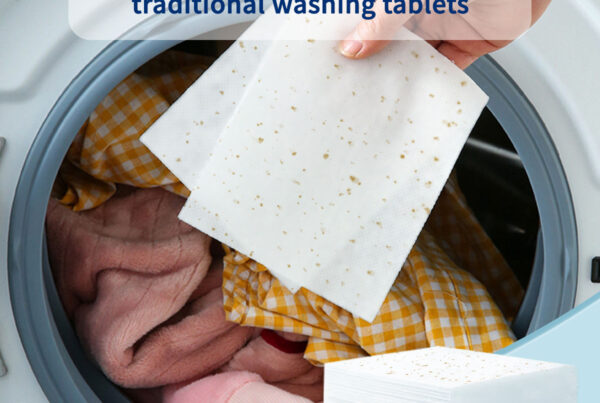
Unlike traditional liquid detergents, detergent sheets are compact, biodegradable, travel-friendly, and easy to use. This makes them highly attractive to modern consumers who prioritize sustainability and convenience.
For entrepreneurs, this creates a major opportunity: starting a laundry detergent sheet brand with OEM support is now easier than ever.
This guide will walk you through the complete process—from product development to branding, pricing, and sales channels.
1. Understand the OEM Model for Laundry Detergent Sheets
OEM (Original Equipment Manufacturer) means you work with a factory that produces detergent sheets under your own brand name.
Instead of building a factory, you focus on:
- Branding
- Marketing
- Customer acquisition
- Distribution strategy
The OEM partner handles:
- Formula development
- Production
- Packaging
- Quality control
This model significantly reduces startup cost and time to market.
2. Define Your Brand Positioning
Before contacting any OEM supplier, you must define your brand identity.
Ask yourself:
- Who is your target customer?
(Eco-conscious consumers, travelers, families, hotels, etc.) - What is your brand promise?
(Eco-friendly, skin-safe, powerful stain removal, zero plastic, etc.) - What makes you different?
(Fragrance-free, hypoallergenic, premium natural ingredients, etc.)
Strong positioning will help your OEM partner recommend the right formulation and packaging style.
3. Find a Reliable Laundry Detergent Sheet OEM Manufacturer
Choosing the right manufacturer is the most critical step in your brand launch.
Look for OEM suppliers that offer:
- Private label detergent sheet production
- Flexible MOQ (Minimum Order Quantity)
- R&D formulation support
- International certifications (ISO, MSDS, etc.)
- Custom fragrance and enzyme options
A professional OEM partner will also help you optimize cost and performance based on your target market.
4. Product Development and Sample Testing
Once you select a supplier, the next step is sample development.
You can customize:
- Cleaning strength (light / standard / heavy-duty)
- Fragrance (lavender, citrus, unscented, etc.)
- Sheet thickness and solubility
- Skin-sensitive formulas (baby-safe, hypoallergenic)
During this stage, always test:
- Cleaning performance in cold and hot water
- Dissolving speed
- Fabric compatibility
- Scent intensity
Most successful brands go through 2–4 rounds of sampling before finalizing.
5. Packaging and Brand Design Strategy
Packaging plays a huge role in consumer purchasing decisions.
For detergent sheets, popular packaging options include:
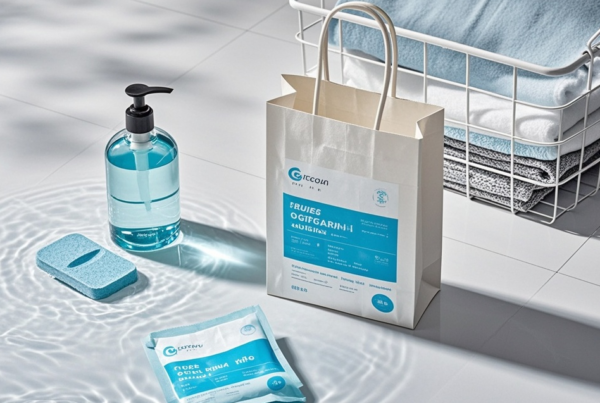
- Recyclable paper boxes
- Travel sachets
- Refill packs
- Resealable pouches
Your packaging should highlight:
- Eco-friendly claims
- Number of sheets per pack
- Key benefits (stain removal, no residue, etc.)
- Usage instructions
A clean, minimalist design often performs best in the global market.
6. Pricing Strategy for Your Brand
Pricing depends on your positioning and market segment.
Typical structure:
- OEM production cost per sheet
- Packaging cost
- Shipping and logistics
- Marketing margin
You should consider three pricing tiers:
- Budget brand (high volume, low margin)
- Mid-range brand (balanced positioning)
- Premium eco-brand (high margin, strong branding)
Most new brands succeed by starting in the mid-range category.
7. Build Your Sales Channels
Once production is ready, you need distribution channels.
Option 1: Shopify / Independent Store
Best for brand control and long-term growth.
Option 2: Amazon / Marketplace
Fast traffic but competitive pricing.
Option 3: B2B Wholesale
Sell to supermarkets, hotels, and distributors.
Option 4: Social Media & Influencers
TikTok, Instagram, and YouTube are powerful for detergent sheet education marketing.
A hybrid model often works best for new brands.
8. Marketing Strategy That Actually Works
Laundry detergent sheets require education marketing because many customers are unfamiliar with the product.
Effective strategies include:
- Before/after cleaning demonstrations
- Eco-friendly lifestyle content
- Travel convenience videos
- Comparison with liquid detergent
- Sustainability storytelling
SEO blog content also plays a key role in long-term organic traffic.
9. Common Mistakes to Avoid
Many first-time founders fail because they:
- Choose the cheapest OEM without quality testing
- Ignore packaging design importance
- Skip sample testing rounds
- Overcomplicate the product lineup
- Don’t invest in branding and marketing
Focus on quality + positioning instead of rushing production.
10. Final Thoughts: Your Opportunity in the Laundry Detergent Sheet Market
Starting a laundry detergent sheet brand with OEM support is one of the most efficient ways to enter the home care industry.
With low initial investment, scalable production, and strong consumer demand, this category offers significant growth potential.
Success depends on three key factors:
- Choosing the right OEM partner
- Building a strong eco-friendly brand identity
- Executing a smart marketing strategy
If done correctly, your brand can quickly enter global markets and compete with established cleaning product companies.