
How Laundry Detergent Sheets Work: A Simple Innovation with Powerful Cleaning Science
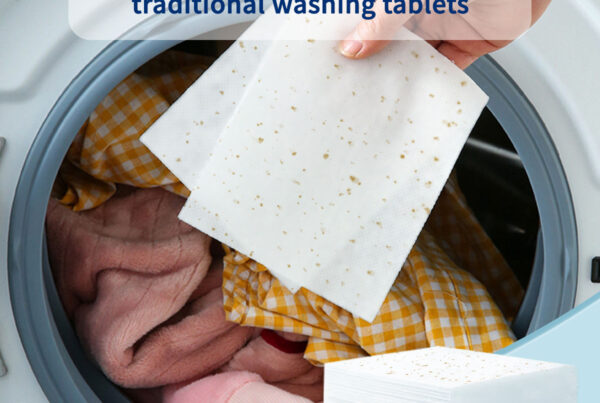
Laundry detergent sheets may look simple, but behind them is a highly engineered cleaning system designed for efficiency, sustainability, and performance.
Let’s explore how they actually work.
1. What Are Laundry Detergent Sheets Made Of?
Most detergent sheets contain:
- Surfactants (cleaning agents)
- Enzymes (stain breakdown)
- Water-soluble film (usually PVA-based or biodegradable alternatives)
- Fragrance compounds
- Gentle skin-conditioning ingredients
These components are compressed into a thin, dry sheet.
2. How Do They Activate in Water?
When the sheet touches water, it:
- Dissolves instantly
- Releases surfactants
- Breaks down grease and stains
- Penetrates fabric fibers
While this formula represents gas behavior, it illustrates a similar principle in chemistry: molecular activity increases when substances are activated in solution, which is exactly how detergent sheets release cleaning agents efficiently.
3. Why Are They More Eco-Friendly?
Laundry detergent sheets reduce environmental impact by:
- Eliminating water transportation
- Reducing plastic packaging waste
- Lowering carbon emissions during shipping
- Using biodegradable ingredients in modern formulations
This makes them ideal for brands targeting sustainable markets.
4. Performance Compared to Traditional Detergents
Modern detergent sheets can deliver:
- Strong degreasing power
- Cold-water cleaning efficiency
- Fabric-safe washing
- Low residue formula
Advanced OEM production allows customization for:
- Baby care
- Sportswear cleaning
- Sensitive skin formulas
- High-performance stain removal
5. Why Brands Are Switching to Laundry Sheet OEM Manufacturing
Global brands prefer laundry sheet OEM because:
- Faster product innovation cycles
- Lower logistics cost
- Strong eco branding potential
- High consumer acceptance in US & EU markets
Private label opportunities are expanding rapidly.
Conclusion: Small Sheet, Big Innovation
Laundry detergent sheets are not just a trend—they represent a shift toward smarter, cleaner, and more sustainable home care products.
For brands and suppliers, this category offers strong long-term growth potential.